
Updated the article on 4/25/22 by Elizabeth Lynch RN
In human anatomy, the ulnar nerve is a nerve that runs near the ulna bone. The ulnar collateral ligament of elbow joint is in relation with the ulnar nerve. The nerve is the largest unprotected nerve in the human body (meaning unprotected by muscle or bone), so injury is common. This nerve is directly connected to the little finger, and the adjacent half of the ring finger, innervating the palmar side of these fingers, including both front and back of the tips, perhaps as far back as the fingernail beds.
This nerve can cause an electric shock-like sensation by striking the medial epicondyle of the humerus from posteriorly, or inferiorly with the elbow flexed. The ulnar nerve is trapped between the bone and the overlying skin at this point. This is commonly referred to as bumping one’s “funny bone“. This name is thought to be a pun, based on the sound resemblance between the name of the bone of the upper arm, the “humerus” and the word “humorous”. Alternatively, according to the Oxford English Dictionary it may refer to “the peculiar sensation experienced when it is struck”.
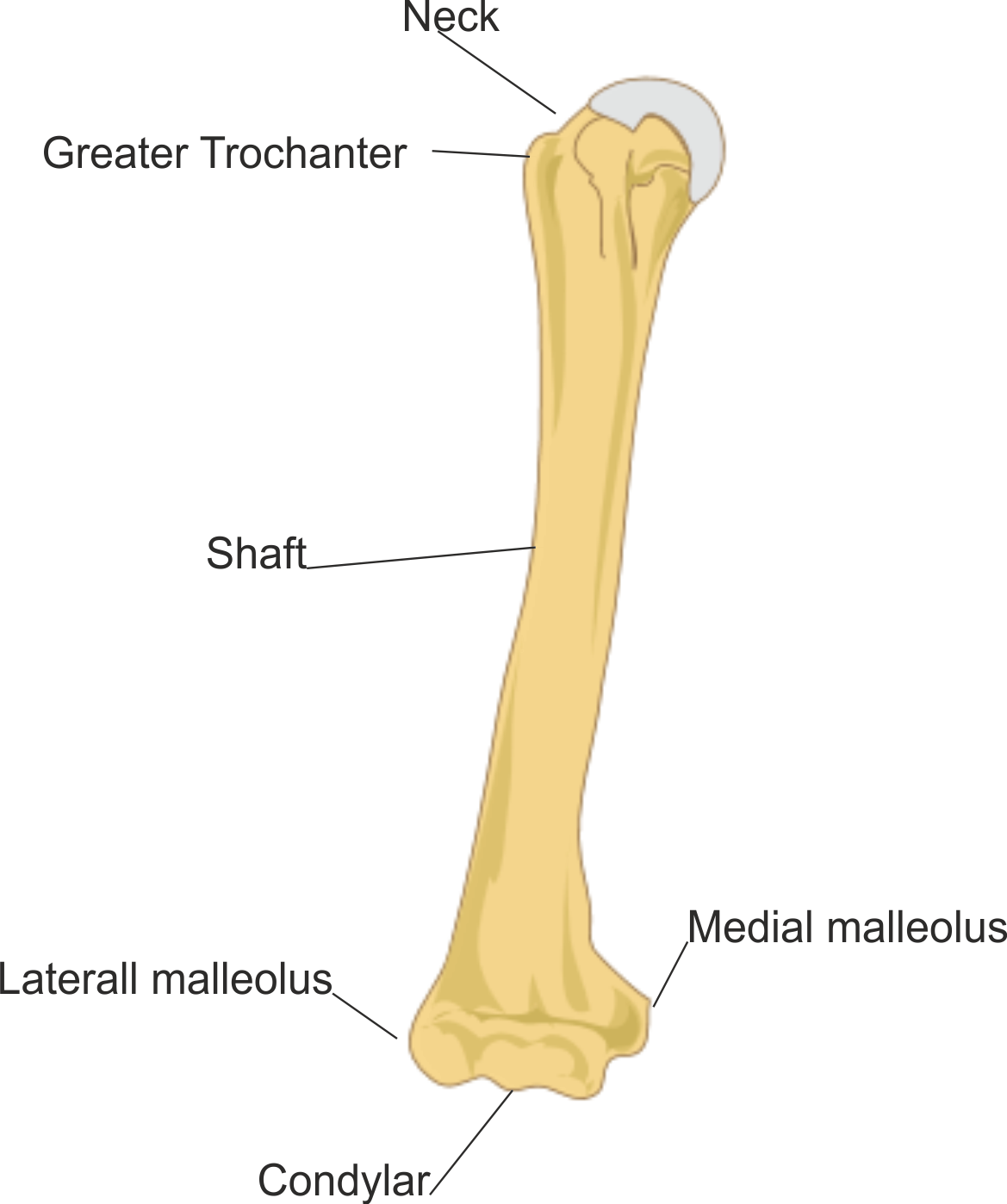
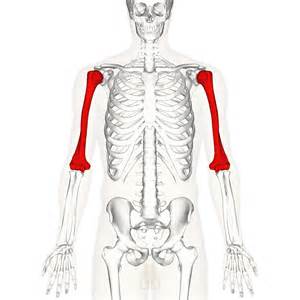
A distal humerus fracture is a break in the lower end of the upper arm bone (humerus), one of the three bones that come together to form the elbow joint. A fracture in this area can be very painful and make elbow motion difficult or impossible.
Most distal humerus fractures are caused by some type of high-energy event—such as receiving a direct blow to the elbow during a car collision. In an older person who has weaker bones, however, even a minor fall may be enough to cause a fracture.
Your elbow is a joint made up of three bones:
- The humerus (upper arm bone)
- The radius (forearm bone on the thumb side)
- The ulna (forearm bone on the pinky side)
The elbow joint bends and straightens like a hinge. It is also important for rotation of the forearm; that is, the ability to turn your hand palm up (like accepting change from a cashier) or palm down (like typing or playing the piano).
A distal humerus fracture occurs when there is a break anywhere within the distal region (lower end) of the humerus. The bone can crack just slightly or break into many pieces (comminuted fracture). The broken pieces of bone may line up straight or may be far out of place (displaced fracture).
In some cases, the bone breaks in such a way that bone fragments stick out through the skin or a wound penetrates down to the bone. This is called an open fracture. Open fractures are particularly serious because, once the skin is broken, infection in both the wound and the bone is more likely to occur. Immediate treatment is required to prevent infection.
Distal humerus fractures are uncommon; they account for just about 2 percent of all adult fractures. They can occur on their own, with no other injuries, but can also be a part of a more complex elbow injury.
Causes:
Obviously falls, but different ways. Falls can be major or minor falls.
One is a direct fall on the elbow, the arm extended out and hits against something even when falling and trying to break the fall.
Also a direct blow to the area like from a MVA with the elbow hitting the dash board or even hit by a baseball bat or an item like it whether accidentally or done intentionally.
Falling on an outstretched arm with the elbow held tightly to brace against the fall. In this situation, the triceps muscle, which attaches to the olecranon, can pull a piece of the bone off of the ulna. Injuries to the ligaments around the elbow may occur with this type of injury, as well.
Fracture of the elbow is due to:
- Falling directly on the elbow
- Receiving a direct blow to the elbow from something hard, like a baseball bat, or a dashboard or car door during a vehicle collision.
- Falling on an outstretched arm with the elbow held tightly to brace against the fall. In this situation, the triceps muscle, which attaches to the olecranon, can pull a piece of the bone off of the ulna. Injuries to the ligaments around the elbow may occur with this type of injury, as well.
The signs and symptoms of a fracture usually include:
Signs and Symptoms for a any distal humerus fracture or any fracture may be very painful and can prevent you from moving your elbow or area fractured.
- Swelling due to blood running to the area. RX: This is the logic of putting ice to the area for 24-48 hrs intermittently to cause vasoconstriction of blood to the area to decrease the swelling; helping this would be raise the fracture limb above the heart causing blood by gravity back to the heart which furthers decrease the swelling.
- Intense pain and not able to move the elbow at all.
- Bruising caused by old blood in the area (think of just twisting your wrist or elbow or ankle and you know you see bruising well expect it with fractures).
- Tenderness to the touch due to the bone broken.
- Stiffness due to the swelling and injury being painful.
- A feeling of instability in the joint, as if your elbow is going to “pop out” due to simply the bone is broken. Just like a beam broken holding a part of a house up and due to the brake that area of the home starts falling.
Prognosis for most arm fractures is very good if treated early.
Complications may include:
- Uneven growth. Because a child’s arm bones are still growing, a fracture in a growth plate — the area where growth occurs near each end of a long bone — can interfere with that bone’s normal growth.
- Osteoarthritis. Fractures that extend into a joint can cause arthritis there years later.
- Stiffness. The immobilization required to heal a fracture in the upper arm bone can sometimes result in painfully limited range of motion of the elbow or shoulder.
- Bone infection. If any part of your broken bone protrudes through your skin, it may be exposed to germs that can cause infection. Prompt treatment of this type of fracture is critical.
- Nerve or blood vessel injury. If the upper arm bone (humerus) fractures into two or more pieces, the jagged ends may injure nearby nerves and blood vessels. Seek immediate medical attention if you notice any numbness or circulation problems.
- Compartment syndrome. Excessive swelling of the injured arm can cut off the blood supply to part of the arm, causing pain and numbness. Typically occurring 24 to 48 hours after the injury, compartment syndrome is a medical emergency that requires surgery. It can also be caused by a too-tight cast.
Treatment:
Treatment for fractures are simply splints to casts and in complex fractures and penetrating fractures (bone going through the skin) would be surgery.
Treatment for a distal humerus fracture usually involves surgery to restore the normal anatomy and motion of the elbow.